 Skip to content
Maintaining healthy, attractive trees is an important part of keeping your property safe and beautiful. While some homeowners choose to hire experts like True Gen Tree Service, many prefer to handle light tree trimming on their own. DIY tree trimming can be safe and effective when done correctly, but it requires proper knowledge, tools, and preparation. In this guide, you’ll discover essential tips to help you trim your trees without causing harm to yourself, your property, or the tree itself. You’ll also learn when it’s best to call for a Tree Removal Service, Tree Trimming Service, Tree Cutting and Shaping, or a Stump Grinding Service when the job becomes too complex.
1. Understanding Why Tree Trimming Matters
Tree trimming is more than just improving the appearance of your landscape. Proper trimming offers several important benefits:
- Encourages healthy growth
- Prevents branches from growing too close to your home
- Reduces the risk of falling branches
- Helps shape trees for structural strength
- Prevents disease from spreading
By trimming regularly, you maintain a safe, attractive property while promoting long-term tree health.
2. Inspect the Tree Before You Begin
Before making the first cut, walk around the tree and inspect it thoroughly. This assessment helps you understand the tree’s condition and identify potential dangers. Look for:
- Cracks or signs of decay
- Dead or broken branches
- Fungus growth near the base
- Hanging or leaning limbs
- Nesting animals
If you notice widespread damage, large dead limbs, or structural instability, this may be a job better suited for a professional Tree Removal Service.
3. Use the Proper Safety Gear
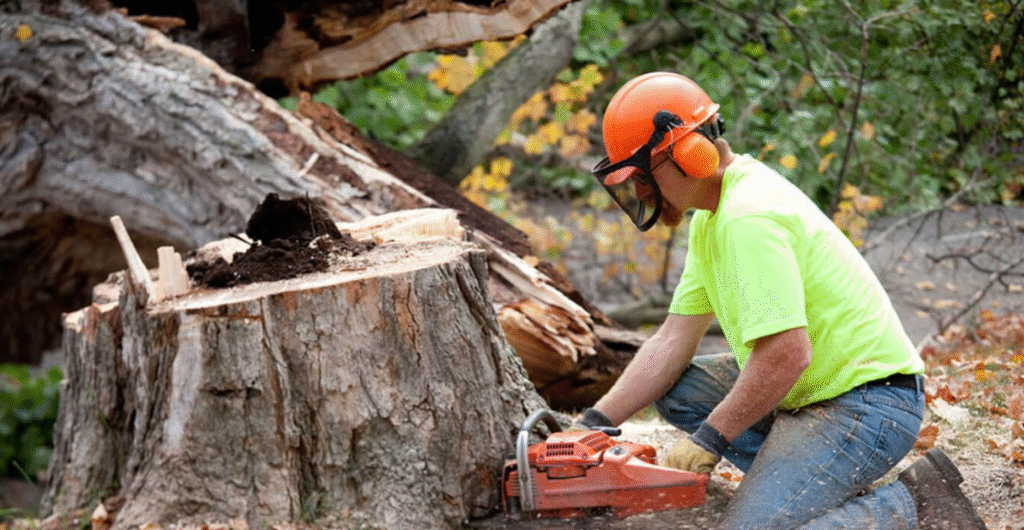
DIY tree trimming involves tools and heights that can be risky without protection. Always use:
- Safety glasses
- Thick gloves
- Non-slip boots
- A hard hat
- Ear protection when using power tools
If you plan to climb, use professionally rated climbing ropes—not household ladders. When in doubt, calling a Tree Trimming Service is the safer choice.
4. Choose the Right Tools for DIY Trimming
The tools you select can make or break your trimming project. Recommended tools include:
- Hand pruners for small branches
- Loppers for medium branches
- A pruning saw for branches over two inches
- A pole saw for high limbs
- Disinfectant spray to prevent spreading tree disease
For precision shaping, professionals who specialize in Tree Cutting and Shaping use advanced equipment to ensure clean, safe cuts. For beginners, staying within your tool limits is essential.
5. Learn the Proper Cutting Techniques
Incorrect cuts can cause disease, weaken the tree, and create dangerous growth patterns. Use these techniques:
The Three-Cut Method for Large Branches
- Make the first cut underneath the branch a foot away from the trunk.
- Make the second cut on top of the branch slightly farther out to remove weight.
- Finish with a clean cut near the branch collar—never cut flush with the trunk.
Avoid These Common Mistakes
- Don’t top trees, as removing the top leads to weak regrowth.
- Don’t remove more than 25% of the canopy at once.
- Don’t cut too close to the trunk, which prevents proper healing.
- Don’t leave long stubs, which invite disease.
Following these methods supports strong, healthy growth and reduces future hazards.
6. Know When to Trim Your Trees
Most trees respond best to trimming at certain times of the year.
- Late winter to early spring is ideal for many species, allowing quick healing.
- Summer trimming helps slow growth for fast-growing trees.
- Avoid fall trimming, as decay spreads more easily during this season.
If the tree is too large or needs detailed shaping, hiring professionals for Tree Cutting and Shaping ensures safer and more precise results.
7. When DIY Isn’t Enough: Calling the Professionals
While DIY trimming works for small tasks, more complex jobs require expert help. This includes:
- Large limbs near power lines
- Trees leaning dangerously
- Branches over rooftops
- Diseased or insect-infested trees
- Storm-damaged limbs
In such cases, professionals like True Gen Tree Service offer safe, efficient solutions such as Tree Removal Service or complete Tree Trimming Service.
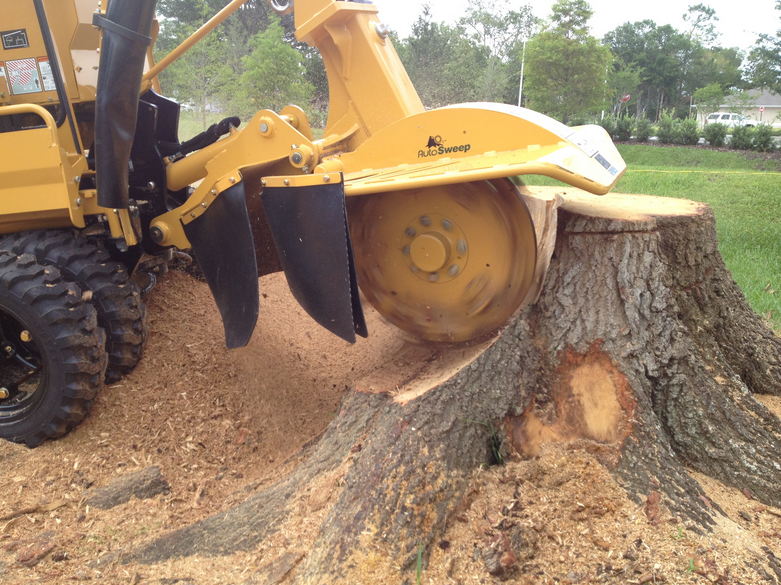
And after a tree has been removed, you’ll need a Stump Grinding Service to eliminate hazards, prevent pest infestation, and keep your yard clean.
8. Comparison Table: DIY Trimming vs. Professional Services
| Type of Task | DIY Suitable? | Risk Level | When to Call True Gen Tree Service |
|---|---|---|---|
| Light pruning of small limbs | Yes | Low | If branches are too high |
| Heavy trimming of large limbs | No | High | When branches exceed tool limits |
| Tree cutting and shaping | Limited | Medium | For precise shaping and height control |
| Tree removal | No | Very High | For fallen, dead, or hazardous trees |
| Stump removal | No | Medium | For professional Stump Grinding Service |
| Storm damage cleanup | No | Very High | To avoid dangerous hanging limbs |
FAQs
Use the proper safety gear, make small controlled cuts, and avoid climbing unless professionally trained.
Avoid DIY trimming when dealing with large limbs, high branches, or trees near power lines. This is best handled by a Tree Trimming Service.
If a tree is dead, leaning, infected, or severely storm-damaged, removal may be the safest option.
It’s a specialized technique focusing on structural strength and balanced growth—a service True Gen Tree Service provides for long-term tree health.
A Stump Grinding Service removes leftover stumps to prevent pests, eliminate tripping hazards, and improve yard appearance.
Conclusion
DIY tree trimming can be rewarding and effective when handled with proper knowledge and caution. From using the right tools to understanding cutting techniques and knowing when to call professionals, safe trimming is a balance of skill and awareness. When the task becomes too dangerous or requires expert precision, True Gen Tree Service is ready to assist with reliable Tree Removal Service, Tree Trimming Service, Tree Cutting and Shaping, and Stump Grinding Service to keep your property healthy and beautiful.
Helpful Hints
- Start with small cuts to avoid damaging the tree.
- Keep your tools sharp for cleaner, healthier cuts.
- Avoid trimming trees during wet or windy conditions.
- Disinfect tools after each use to prevent disease spread.
- When in doubt, call True Gen Tree Service for safe, professional help.
